 CYCLING TOURS
ABOUT THE RIDE
Cycling Yambaru: the original landscape of Okinawa
Yambaru Cycle Experience is a sister brand run by MORIKEN.Official site (Japanese) ↗
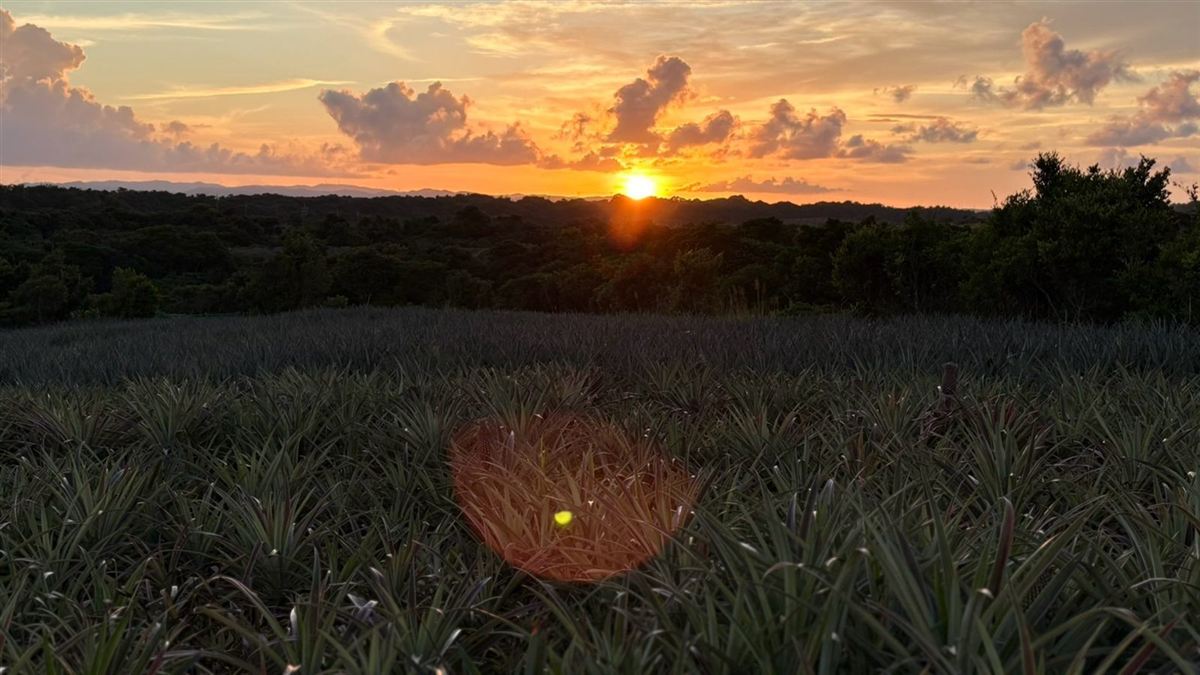
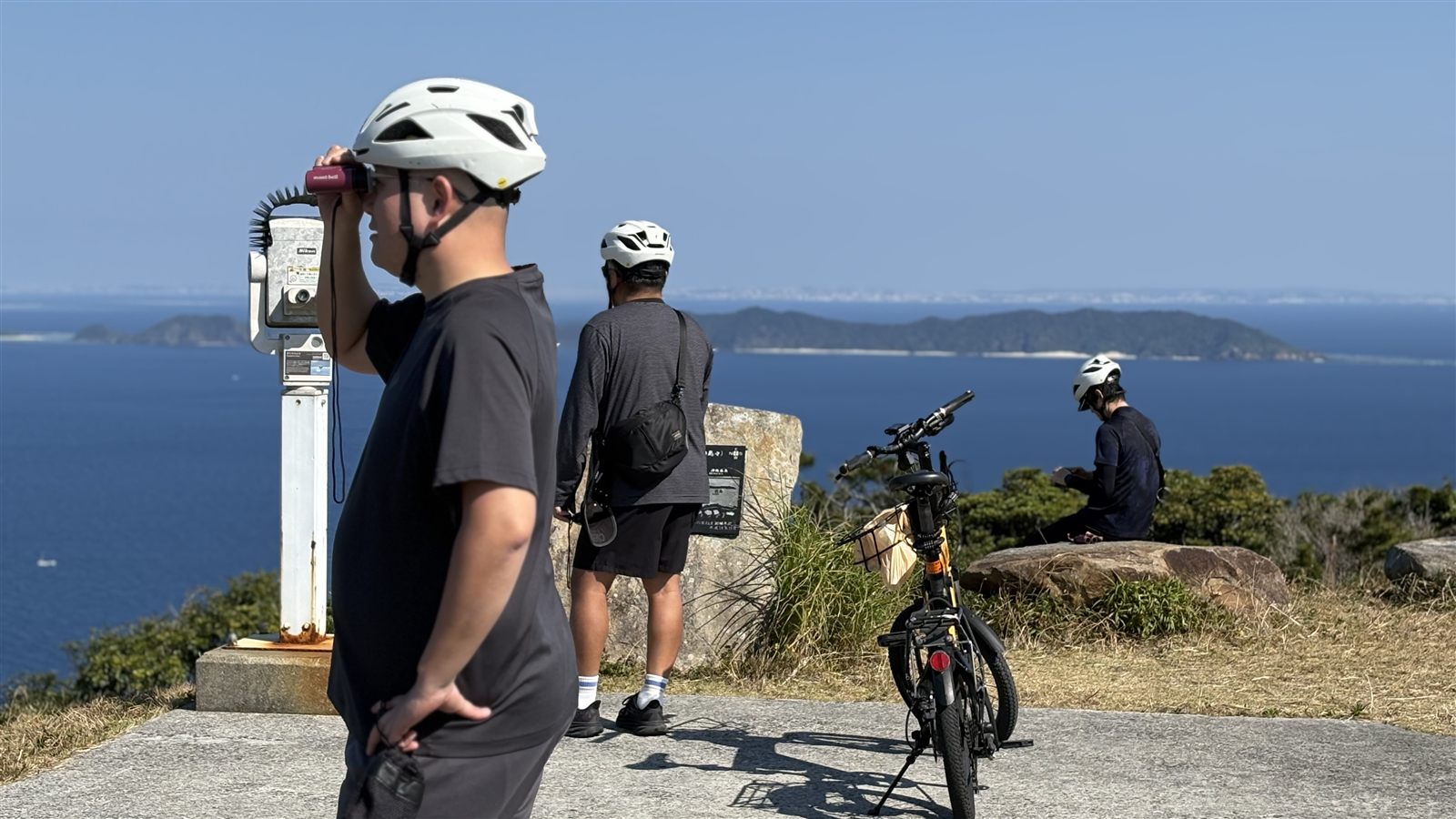
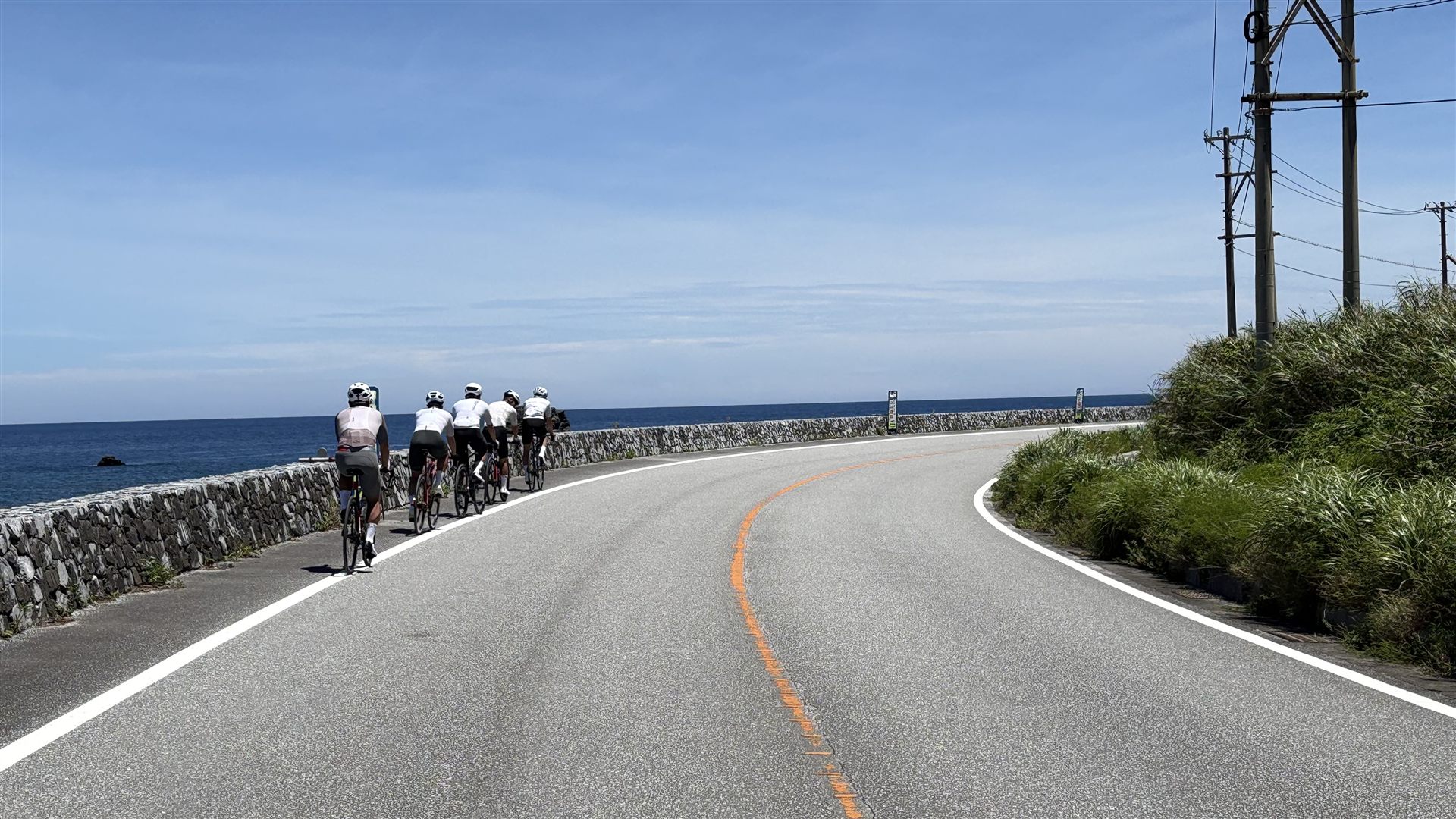
In Higashi and Ogimi villages in the north of Okinawa Island lies the original landscape of Okinawa that even locals have forgotten — sunsets over pineapple fields and warm-hearted villagers. On this tour, you discover these hidden treasures by bike.
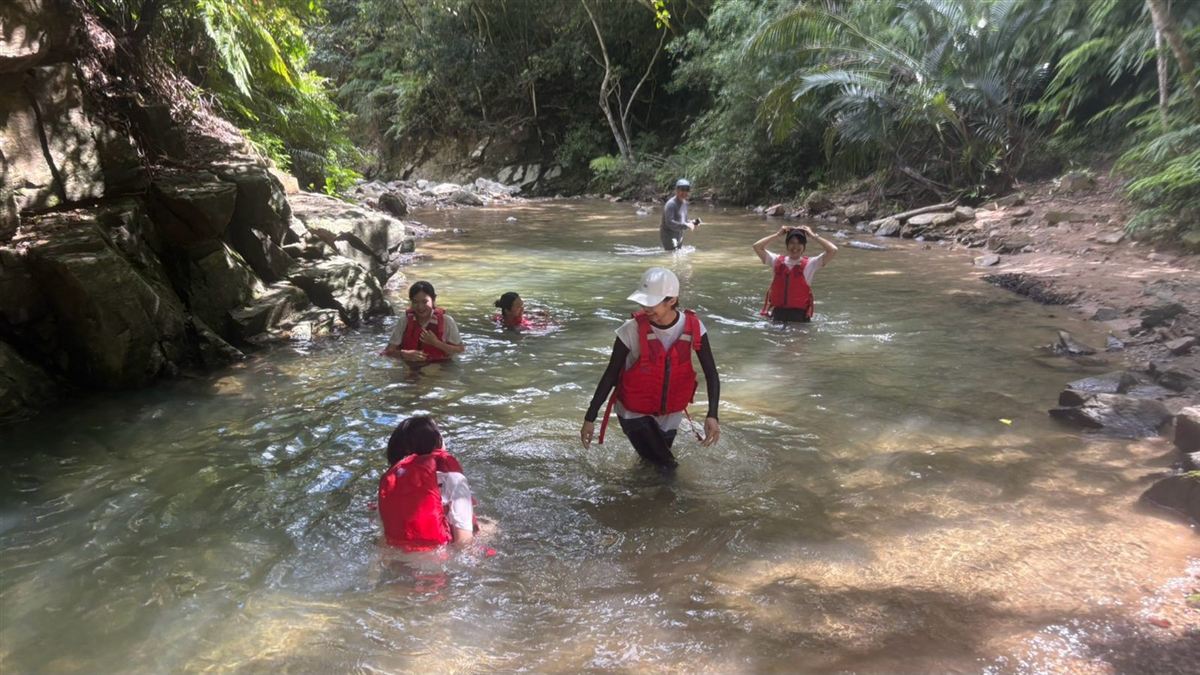
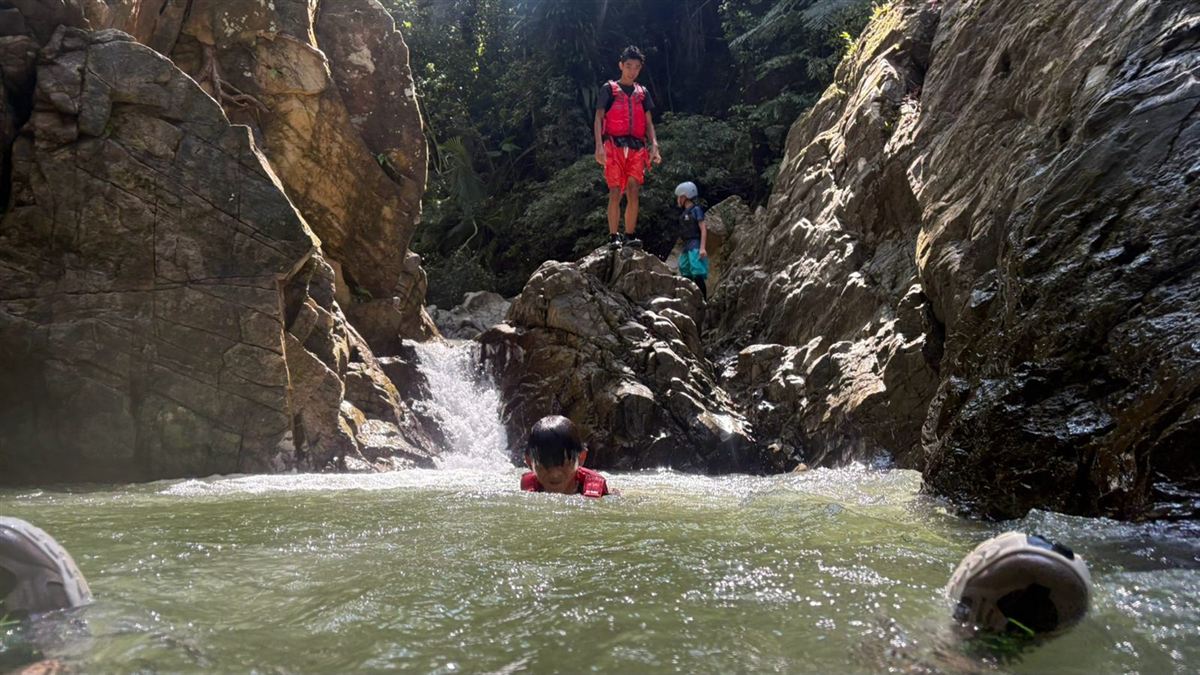
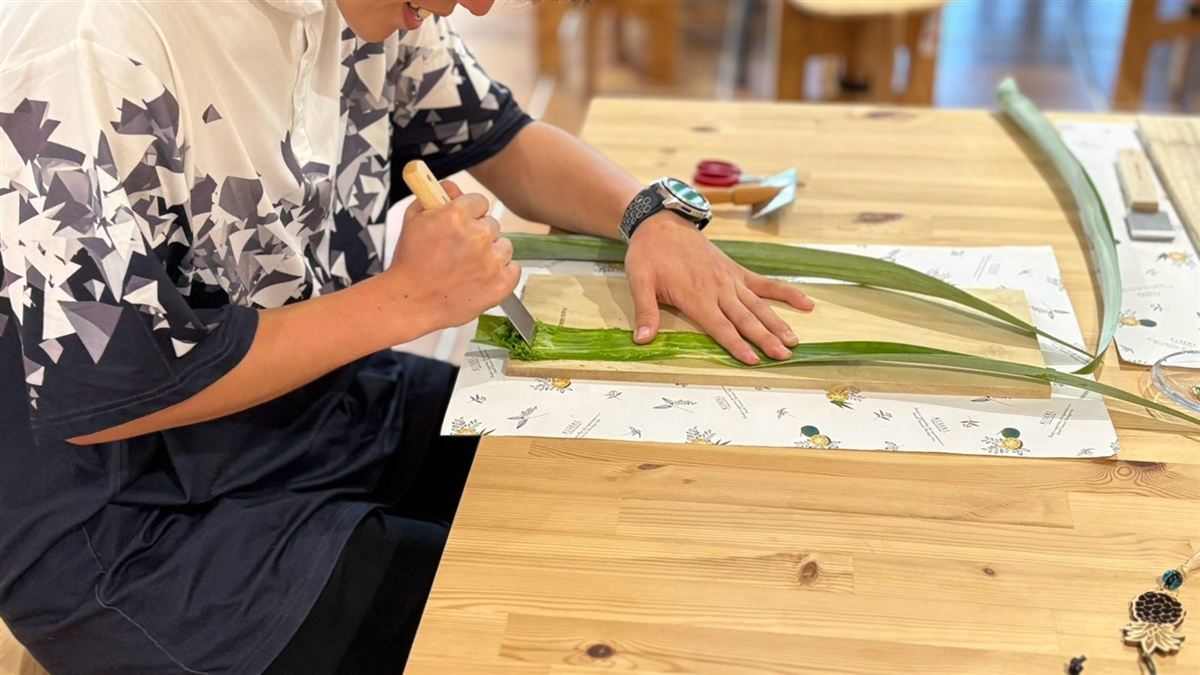
Besides the cultural experience, I had never walked into a river before — that was a huge experience for me.— Guest from Europe (Yambaru waterfall tour)
Our guide joined us in searching for eels in the river — we had so much fun.— Guest from Japan (Yambaru waterfall tour)